
Trash to Treasure: How Your Garden Loves Kitchen Scraps
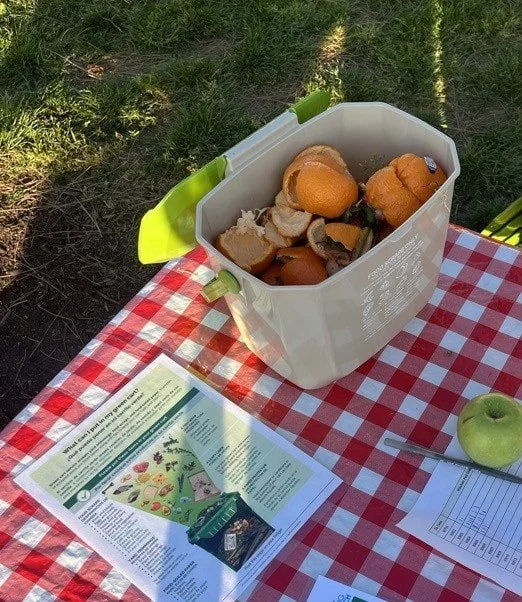
Even in our school gardens, good garden soil doesn’t just show up looking rich and crumbly—it’s built, slowly, by things breaking down. Leaves, food scraps, and old plants all return to the soil through decomposition—nature’s normal cycle of renewal. Intentional garden composting is simply our way of teaming up with nature and giving that process a little nudge.
In our program, we encourage students to literally dig in—hands in the soil, questions in mind—to figure out what makes plants thrive and what’s really going on beneath their feet.
So…what happens to waste?
One of our team’s favorite mottos is: In nature, there’s no such thing as “trash.” Everything gets reused. Composting follows that same logic. Instead of tossing food scraps in the waste bin, you let them break down into something your garden actually needs.
The end result? Nature’s gold! A composted heap of rich matter that helps soil hold water, adds nutrients, and supports all the tiny (and not-so-tiny) life forms that keep plants healthy.
DIY compost pile (no fancy setup required)
Composting is surprisingly low-tech and easy to do even in small spaces. All you really need is a balance of:
Greens: fruit and veggie scraps, coffee grounds
Browns: dry leaves, paper, cardboard
Keep it a little damp, give it a turn now and then, and let time do its thing. Before long, you’ll have dark, earthy compost. Here’s a great list of what to compost.
You can start small with a counter-top pail and go from there, adding it to a larger backyard bin or corner as you fill the pail.
No official bin? No problem. Try one of these:
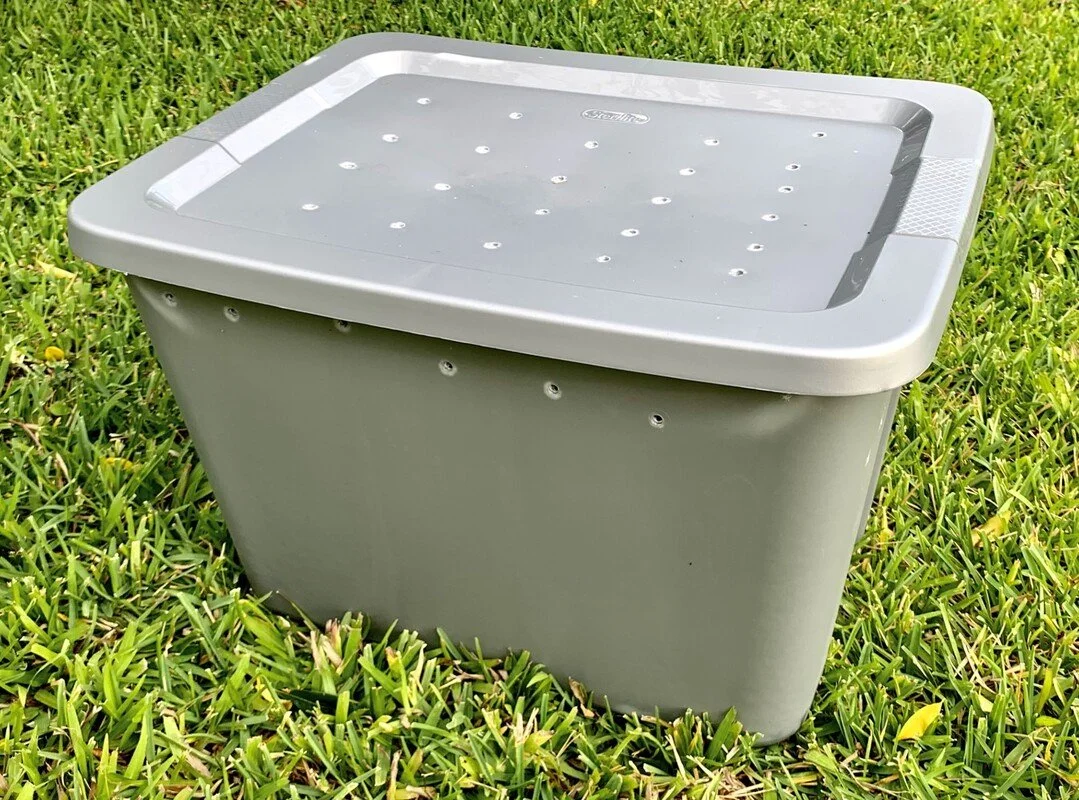
Plastic storage tub: Drill some holes for airflow and you’ve got a compact, easy bin—great for patios or small spaces.
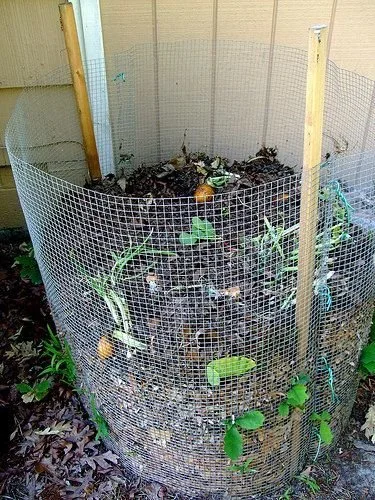
Chicken wire bin: Shape it into a simple circle and you’ve got an instant compost corral for leaves and yard clippings.
Open pile: A designated corner of the garden works just fine—nothing fancy needed.
Watching the magic (and mess) happen
Composting makes a lot more sense when you can see it in action.
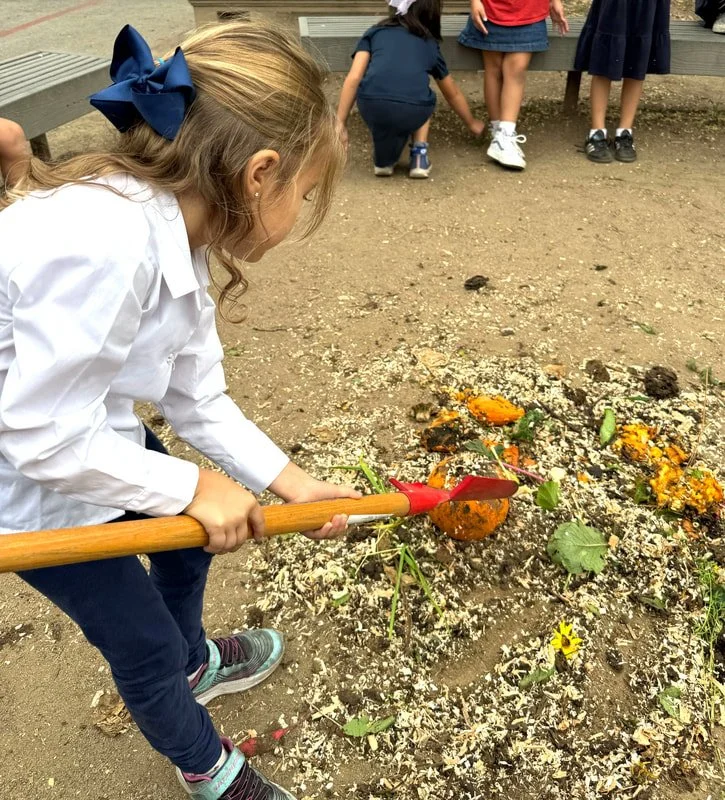
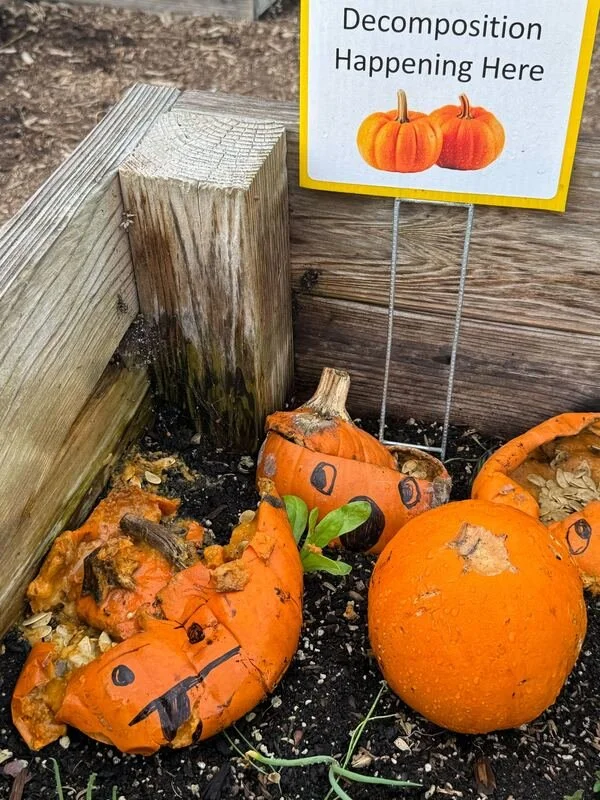
In the fall, Ground Ed uses leftover jack-o’-lanterns as our “guinea pigs.” What starts as a cheerful pumpkin quickly turns soft, moldy, and a little unrecognizable as microbes and insects move in. Students check on them over time, watching the slow transformation.
It’s not exactly pretty—but it’s unforgettable. And it makes one thing clear: decay is what makes new growth possible.
The surprisingly popular worm
Worms are some of the hardest workers in the garden. They tunnel through soil, break things down, and leave behind nutrient-rich castings.
You might expect students to be a little hesitant around a handful of wiggling worms—but it’s usually the opposite. As part of a lesson on vermicomposting, we introduce the crawly creatures, and once they get over the initial “ew,” they’re hooked. It’s not uncommon for kids to ask for extra time just to hang out with the worms.
With vermicomposting, those worms become part of the system. They eat food scraps and turn them into compost faster than a traditional pile. And the setup can be as simple as a modified plastic tub placed in the garage, yard, or even a kitchen corner.
Why it’s worth it
Composting is a small habit, but it adds up. It cuts down on waste, improves soil, and helps grow stronger, healthier plants—whether you’ve got a full garden or just a few pots.
More than anything, it shifts how we think about “waste.” Turns out, it’s not the end of the story—it’s just the beginning of something new… especially if you’ve got a few worms helping out.
